Seasonal Availability: Canadian Freshwater Fish
The yellow perch arrives in April, delicate and sweet from cold spring waters. By August, it’s gone—not because supply chains failed or distributors ran out, but because the season ended. The lake dictates the timeline, not the menu.
That’s how freshwater fisheries work. Seasons matter. Water temperatures matter. Ice formation, spawning cycles, migration patterns—all of it affects when fish are available and when they’re at their best.
Most operators don’t think about seasonality with fish the way they do with produce. Tomatoes have a season. Asparagus has a season. But fish? Fish feels like it should always be there, year-round, on demand.
It isn’t. Or at least, the good stuff isn’t.
Understanding seasonal availability doesn’t just help you plan menus—it helps you serve better product. Because fish caught at the right time, in the right conditions, tastes fundamentally different than fish pushed outside its natural cycle.
Why Seasonality Matters
Freshwater fish populations follow rhythms tied to water temperature, daylight, and spawning cycles. These aren’t arbitrary restrictions—they’re biological realities that affect everything from flavour to texture to fat content.
Fish caught during peak season are in prime condition. They’ve had time to feed, build fat reserves, develop the flavour that makes them worth serving. Their flesh is firm, their fat content is right, their quality is undeniable.
Fish caught outside peak season—or worse, during spawning when they’re biologically stressed—don’t taste the same. The texture suffers. The flavour dulls. The difference isn’t subtle.
Add to that the fact that many freshwater fisheries operate under strict seasonal quotas designed to protect populations during vulnerable periods. When the season closes, it’s not a supply chain issue—it’s a management decision to ensure the fishery remains viable long-term.
For operators, that means two things: plan around availability, and trust that when the fish is available, it’s worth featuring.
Spring: Walleye and Whitefish
Spring marks the return of ice-out fishing in Canada’s northern lakes. As ice recedes and water temperatures rise, fisheries open and the first catches of the year arrive.
Walleye is the star of spring. April through June, when water temperatures are still cold and walleye are actively feeding post-spawn, the quality is exceptional. The flesh is firm, almost sweet, with a clean flavour that doesn’t need much enhancement. This is when walleye belongs on menus—sautéed with butter, grilled simply, featured without apology.
By mid-summer, walleye quality begins to decline as warmer water temperatures and increased activity stress the fish. It’s still available, but it’s not the same product. Operators who understand this time their walleye features for spring and early summer, when the fish justifies the menu real estate.
Lake Whitefish also peaks in spring. The cold water that whitefish thrive in produces dense, flaky flesh with a subtle sweetness that works in everything from smoking to pan-searing. Whitefish from Lake Huron or northern Manitoba lakes caught in April and May represents the best of what freshwater fish can be.
Spring is also when smoked whitefish operations hit their stride. The cool temperatures allow for slower, more controlled smoking, and the fish itself is in prime condition. If you’re featuring smoked fish on brunch menus or charcuterie boards, spring whitefish is what you want.
Summer: Lake Trout and Northern Pike
As water temperatures rise through summer, different species come into their own.
Lake Trout thrives in the deep, cold waters of Canada’s larger lakes. Summer months—June through August—offer consistent availability, though the best lake trout comes from deeper, colder sections of lakes where temperatures remain stable. The fish are active, well-fed, and the flesh has the firm texture and rich flavour that makes lake trout a premium offering.
Lake trout works on menus that can handle a slightly stronger flavour profile. It’s not as delicate as whitefish or walleye—it has presence. Grilled, smoked, or prepared with bold accompaniments, summer lake trout holds its own.
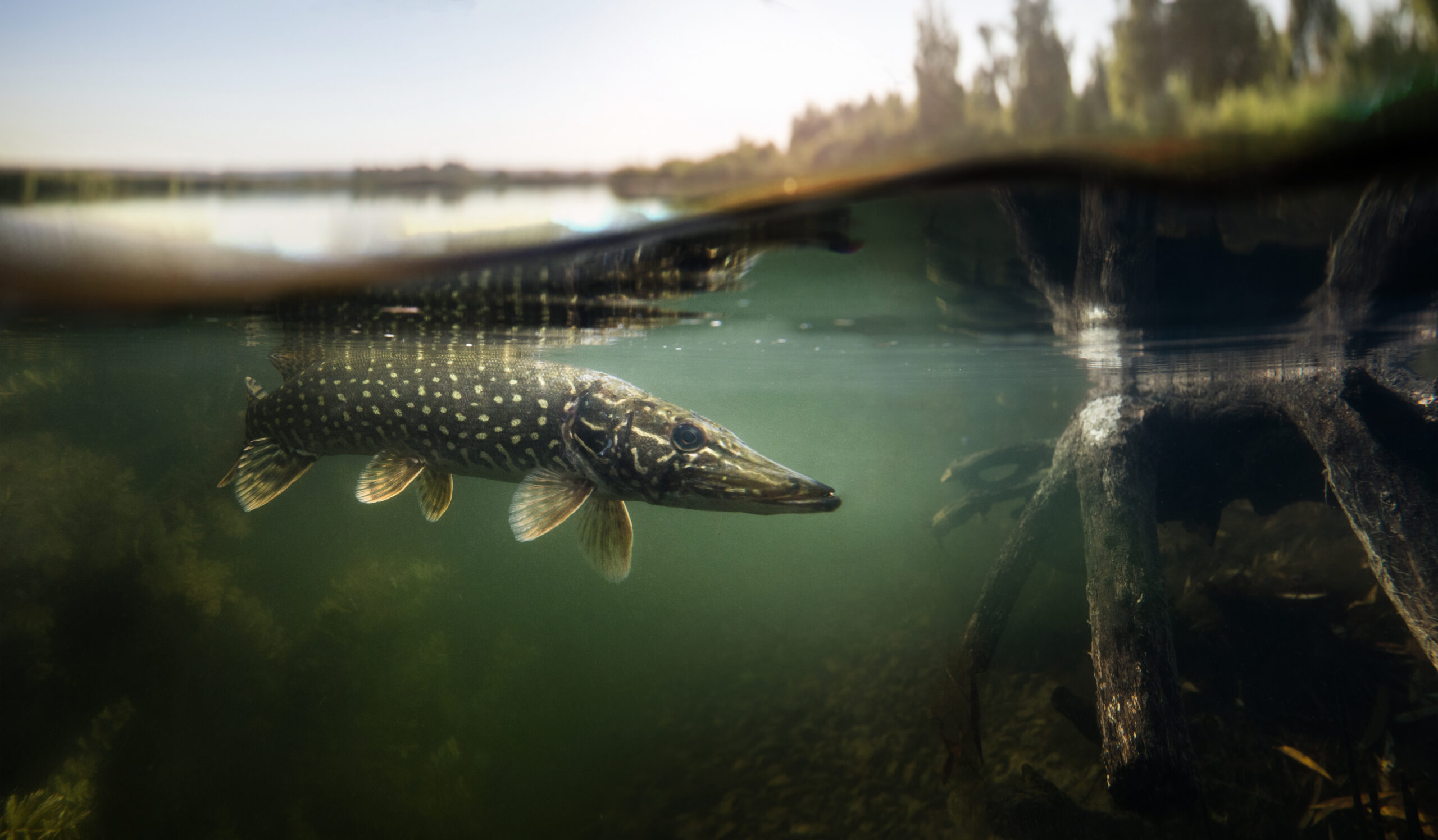
Northern Pike is available through summer but requires more skill in the kitchen. The fish is lean, firm, and has a clean flavour when sourced from cold, clear lakes. The challenge with pike is the bone structure—it’s not a fillet-and-serve fish. But for operators willing to work with it, pike offers a unique menu option that few restaurants feature.
European kitchens have used pike for centuries in preparations like quenelles and terrines. North American operators are slower to adopt it, but the fish itself is excellent when handled properly. Summer pike from northern Canadian lakes represents an opportunity for differentiation, if you’re willing to put in the work.
Fall: Whitefish Again, and Preparation for Winter
Fall marks the return of peak whitefish season. As water temperatures drop and fish begin preparing for winter, fat content increases and flavour deepens. September through November whitefish is among the best of the year—rich, flaky, perfect for heartier autumn menus.
This is prime time for smoked whitefish. The higher fat content means better texture and more pronounced flavour in the finished product. If you’re building fall menus around comfort and richness, whitefish delivers.
Fall is also when many fisheries begin winding down operations in preparation for winter ice. Availability becomes more limited as the season progresses, and by late November, most freshwater fisheries in northern regions have closed until spring.
For operators, this means planning ahead. If you want to feature freshwater fish through winter, you’re working with frozen product from fall harvest. That’s not a compromise—properly frozen fish maintains quality—but it does mean winter menus can’t rely on fresh product the way spring and summer menus can.
Winter: Limited Fresh, Increased Frozen
Winter in Canada’s northern fishing regions means ice. Thick ice that covers lakes for months, making commercial fishing operations difficult or impossible in many areas.
Some fisheries continue limited winter operations—ice fishing for species like whitefish and perch—but volumes are constrained and availability is unpredictable. Most operators planning winter menus should expect to work with frozen product harvested during peak seasons.
This isn’t a quality issue. Fish frozen at peak freshness—immediately after harvest, using proper blast-freezing techniques—maintains the texture and flavour that makes it worth serving. The difference between well-frozen fish and fresh fish is minimal when both are handled correctly.
The key is sourcing from suppliers who freeze properly and handle the product with the same standards they apply to fresh. Poorly frozen fish—or fish that’s been frozen and thawed multiple times—is a different story. That’s where quality degrades.
Winter is also when operators should be planning spring menus. Knowing what’s coming, when availability returns, and how to feature seasonal fish as soon as it’s available gives you an advantage. Spring walleye doesn’t wait—it arrives in April, and the operators who planned for it are the ones who get first access.
Working With Seasonality, Not Against It
Seasonality requires planning. You can’t decide in July that you want spring walleye—it’s gone. You can’t feature fall whitefish in March—it doesn’t exist fresh.
But seasonality also creates opportunity.
Menus that change with availability signal intentionality. Guests notice when a restaurant features fish “in season” the way they feature spring vegetables or autumn squash. It suggests the kitchen knows what they’re doing, that they’re connected to sources and seasons that most operations ignore.
It also means the product on the plate is better. Fish at peak season tastes like peak season. There’s no substituting that with supply chain logistics or year-round availability from inferior sources.
The trade-off is flexibility. You can’t lock in a menu in January and expect freshwater fish to be available on demand in April. You have to work with suppliers who understand seasonality, who communicate when species are coming into season, and who can guide you toward what’s available and when.
That requires trust. And it requires suppliers who operate with the same respect for seasonality that you’re building into your menu.
Planning Around the Calendar
Here’s a rough guide to peak availability for Canadian freshwater fish:
April – June (Spring)
- Walleye (peak quality)
- Lake Whitefish (excellent for fresh and smoked preparations)
- Yellow Perch
June – August (Summer)
- Lake Trout
- Northern Pike
- Continued Whitefish availability (quality remains strong)
September – November (Fall)
- Lake Whitefish (peak fat content, ideal for smoking)
- Late-season Walleye (limited)
- Perch
December – March (Winter)
- Limited fresh availability (ice fishing for Whitefish, Perch in some regions)
- Rely on frozen product from fall harvest
- Plan for spring return
This isn’t a rigid schedule—every lake, every region, every year varies slightly based on weather, water temperatures, and ice conditions. But it’s a framework that helps operators understand when to expect product and when to feature it.
The Standard That Doesn’t Move
At Alden Foods, we don’t fight seasonality—we work with it.
When spring walleye arrives, we let our clients know. When fall whitefish hits peak fat content, we make sure the operators who value that quality get first access. When winter limits fresh availability, we’re transparent about what’s frozen and when fresh product returns.
Seasonality isn’t a limitation. It’s a rhythm. And the operators who learn to work with it serve better fish because of it.