Walleye Cheeks: The Cut Worth Seeking Out
The first time you try walleye cheeks, you understand why chefs guard them. Small, tender, genuinely sweet—these are bites that rarely make it past the kitchen. Cooks eat them standing over prep stations, straight from the pan, because they’re too good to share.
When they do make it to the plate, they create dishes people remember.
The Sweet Spot
Walleye cheeks are the small muscles behind the fish’s gill plates, roughly the size of bay scallops but with a texture and sweetness all their own. They’re what happens when you pay attention to the whole fish instead of just the fillets.
Most operations discard the heads entirely. The ones that don’t often keep the cheeks for themselves. That scarcity isn’t about difficulty—it’s about knowledge. Most diners don’t know to ask for them. Most distributors don’t bother carrying them.
But for restaurants looking to differentiate their seafood programs, walleye cheeks hit the sweet spot: distinctive enough to stand out, familiar enough not to intimidate, profitable enough to justify the menu space.
They’re the kind of cut that builds a following. Guests who discover them come back for them. Servers who taste them can actually sell them with enthusiasm. That’s the difference between a special that moves and one that needs constant explanation.
In the Kitchen
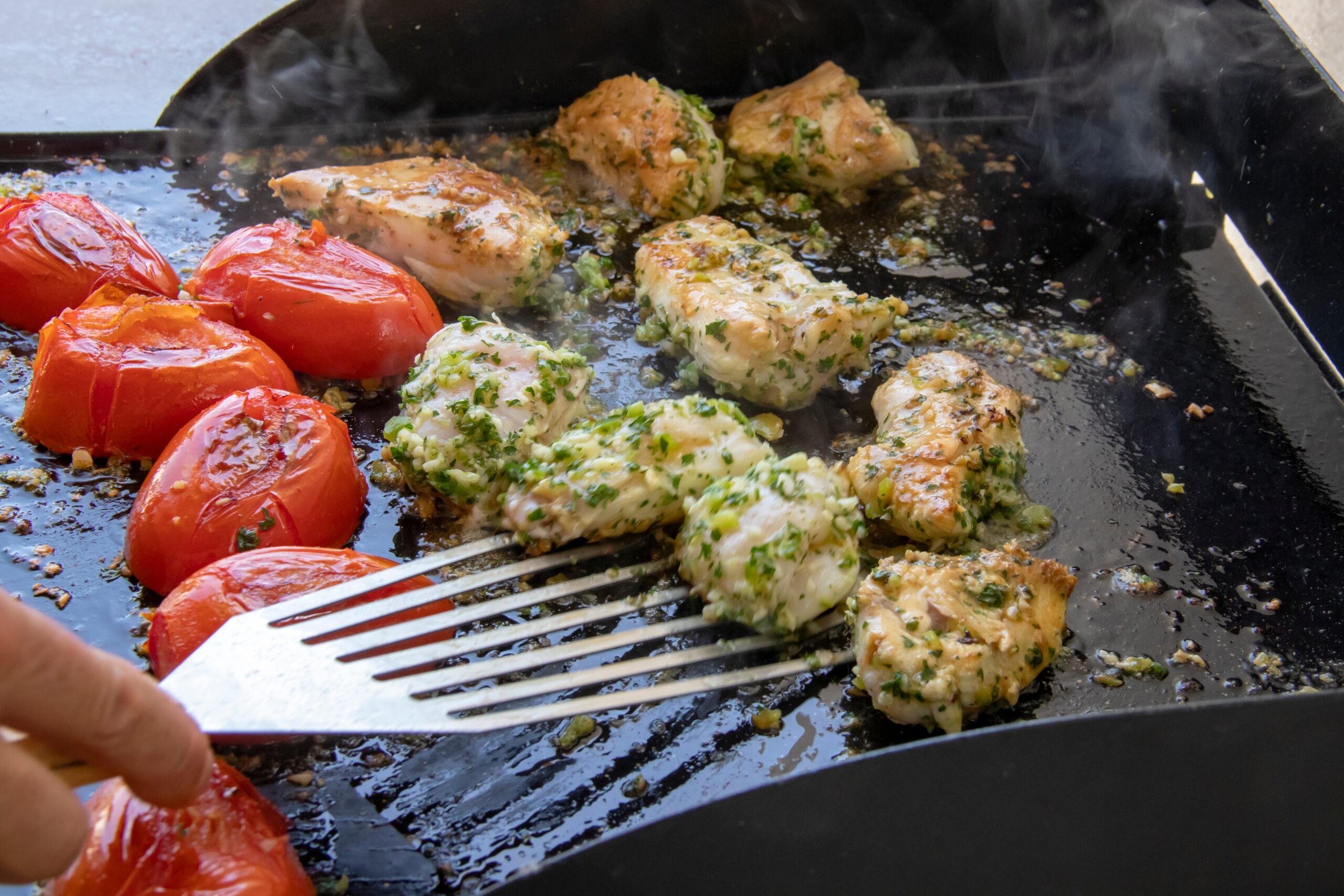
Walleye cheeks take to heat the way scallops do—quick sear in butter, splash of white wine, fresh herbs to finish. Three minutes from pan to plate. The exterior caramelizes while the interior stays tender, and the natural sweetness needs little enhancement.
They also excel battered and fried. The coating crisps, the meat stays moist, and you have something that outsells standard fish and chips without requiring a premium price. Drop them in chowders where they won’t break apart like flakier fish. Toss them with pasta where their firmness holds up to the tossing. Feature them in fish tacos where their sweetness balances bold sauces.
For more refined presentations, broil them under high heat with compound butter—the herbs perfume the meat while the browning adds depth without masking the delicate flavour. They’re substantial enough to anchor a plate but small enough to control portions precisely.
That versatility matters. One product, multiple applications, consistent quality. It’s how you build a program rather than just filling a menu.
The Supply Chain Reality
Here’s why most kitchens never see walleye cheeks: the standard distribution model doesn’t work for specialty cuts. Broadline distributors need volume to justify SKUs. Cheeks don’t generate that volume because most chefs have never been offered them. It’s circular logic that keeps good product off plates.
Breaking that cycle requires a shorter chain. Direct relationships with processors who understand that not every valuable cut comes in thousand-pound lots.
Freshwater Fish Marketing Corporation processes wild walleye from Canadian prairie and northern lakes—Manitoba, Saskatchewan, Northwest Territories. Clean cold water, proper handling, fish that taste like the lakes they come from. When that product moves directly from processor to specialized distributors like Alden Foods, it arrives the way it left: properly frozen, properly handled, properly priced.
No mystery middlemen inflating costs. No questionable provenance. No wondering whether “fresh” means fresh or just thawed. The fish are caught, processed, frozen, and shipped through a chain you can actually trace.
Worth the Search
Quality shows immediately with walleye cheeks. They should be firm, pale, and clean-smelling—like fresh water, not “fishy.” When frozen properly (as they should be), there’s no freezer burn, no ice crystals, no yellowing that signals age or poor handling.
Because they’re small, cheeks are vulnerable to temperature abuse. Every hand-off in the supply chain is another chance for degradation. That’s why the direct route matters—fewer touches, fewer chances for problems, better product on your plate.
Walleye cheeks aren’t a trend or a novelty. They’re a genuinely excellent cut that most kitchens never see because the infrastructure hasn’t caught up with what the fishery offers. But that’s changing as more chefs discover what fishing communities have always known: sometimes the best parts of the fish aren’t the obvious ones.
For Montreal restaurants and hotels ready to work with walleye cheeks, Alden Foods maintains consistent supply through their direct relationship with FFMC. Available frozen year-round, with samples and prep guidance for kitchens new to the product.
Good food doesn’t need to be complicated. It just needs to be available.